
Can Lychee Grow in Texas Climate, Care, and Winter Protection
Can Lychee Grow in Texas? Climate, Care, and Winter Protection
If you have ever bitten into a fresh lychee and thought about growing your own, you are not alone. Texas gardeners, especially those in the Houston area, are in a surprisingly good position to make that happen. The question most people ask first is simply: can lychee grow in Texas?
The answer is yes. But like most tropical fruit trees, lychee needs the right conditions, the right care, and a plan for winter. This guide covers all of it so you can start growing with confidence.
What Is a Lychee Tree and Why Does Texas Work for It?
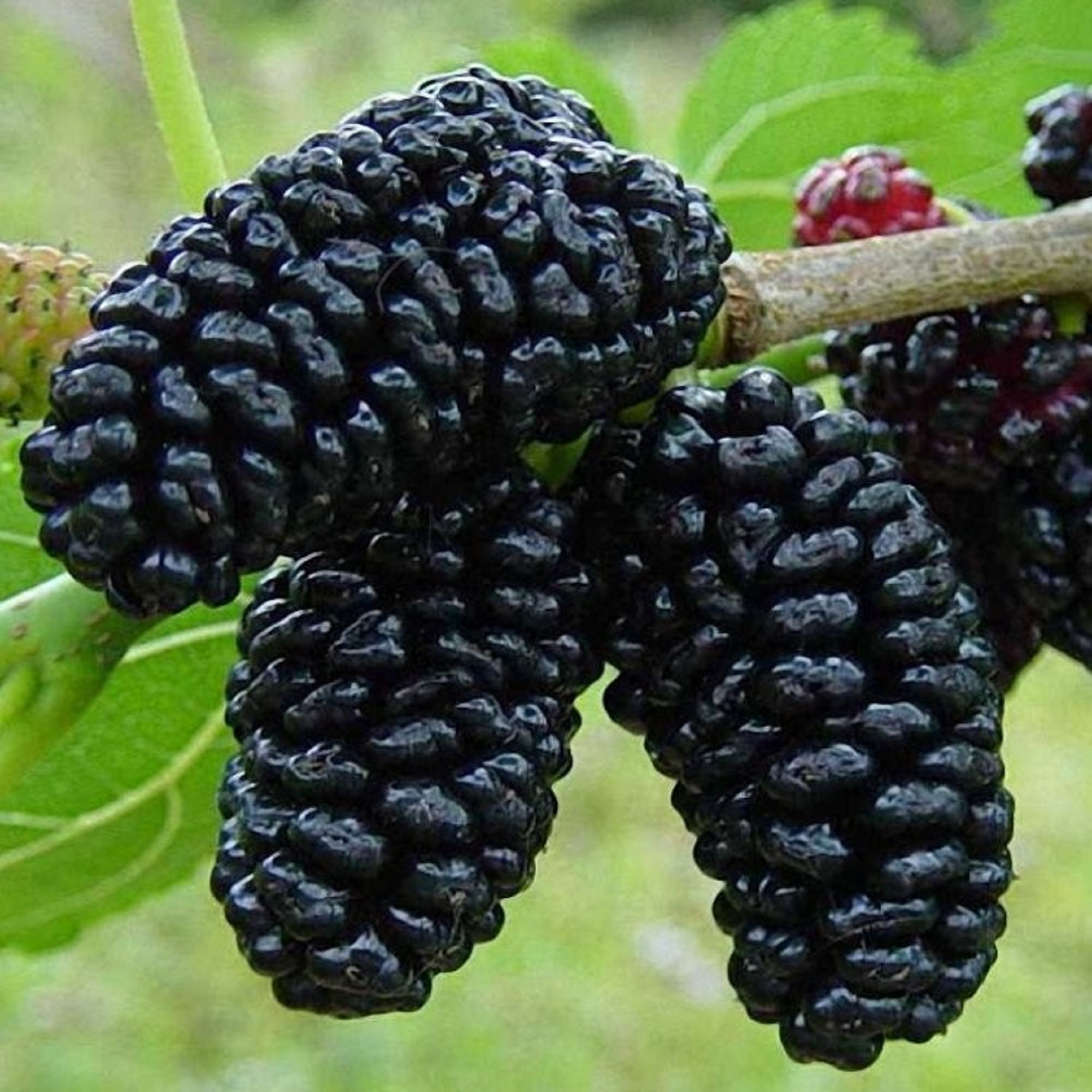
Litchi chinensis is a subtropical fruit tree native to southern China. It produces clusters of bright red fruit with sweet, juicy white flesh and a floral fragrance that is hard to describe but impossible to forget once you have tasted it fresh.
Lychee thrives in warm, humid climates with mild winters and long, hot summers. If that sounds like Houston, it is because it does. The Texas Gulf Coast offers the kind of heat and humidity that lychee genuinely loves, and growing lychee in Houston is absolutely achievable with a proper setup.
The tree does need one thing that surprises many gardeners: a cool dormancy period in winter to trigger flowering and fruiting. Houston winters, while mild compared to the rest of Texas, usually provide just enough of a chill to satisfy this requirement. That is one of the reasons the Gulf Coast is considered one of the few viable regions in the continental US for lychee production.
If you are ready to get started, you can shop lychee seedlings directly from MM Nurseries or browse our full exotic plants collection for more tropical varieties suited to the Houston climate.
What Climate Conditions Does a Lychee Tree Need in Houston?
Understanding what lychee needs helps you set it up for success from day one.
Heat and humidity:
Lychee loves both. Houston humidity, which many gardeners complain about, is actually an asset when it comes to growing lychee. The tree is adapted to humid subtropical climates and performs better with consistent moisture in the air as well as the soil.
Full sun:
A lychee tree needs full sun, at least six to eight hours of direct sunlight per day. A southern or western-facing spot in your yard with no afternoon shade is ideal. Lychee plant sunlight and watering go together. The more sun it gets, the more water it will use, so you need to keep both in balance.
Winter chill:
This is where Houston walks a fine line. Lychee needs roughly 100 to 200 hours of temperatures between 35°F and 50°F to break dormancy and set flowers. Houston typically provides this during December and January without pushing into the freeze territory that damages the tree. That sweet spot is exactly what makes can lychee grow in Texas a question with a confident yes attached to it for Gulf Coast gardeners.
Lychee Tree Care in Texas: Soil, Watering, and Feeding
Soil and drainage
Good soil drainage is non-negotiable for lychee. The roots are sensitive to standing water and will rot in poorly drained soil. Houston's clay-heavy soil can hold water longer than lychee likes, so amending with compost and coarse material before planting is important.
Lychee prefers a slightly acidic soil pH between 5.5 and 7.0. If your soil tests on the alkaline side, adding sulfur or acidifying fertilizer can help bring it into range.
Container growing is a strong option for Texas lychee gardeners for two reasons: it lets you control the soil mix entirely, and it gives you the flexibility to move the tree during freezes. A large container, 25 gallons or more, is recommended to give the roots enough room to develop properly.
Lychee plant sunlight and watering
Young lychee trees need consistent moisture while they establish. Water deeply every two to three days during the first few months, adjusting based on rainfall and heat. Once established, lychee is moderately drought-tolerant but will produce far better fruit with regular deep watering during the growing season.
During Houston's summer months, plan to water once or twice a week. Let the top inch of soil dry between waterings to avoid overwatering, which is the most common mistake with lychee in containers.
Fertilizing
Feed your lychee three to four times a year with a balanced citrus or fruit tree fertilizer. Spring, early summer, midsummer, and early fall are the right timing points. Stop fertilizing by October to allow the tree to slow down naturally heading into winter.
Key Takeaways
1. The Texas Gulf Coast is one of the best places in the US to grow lychee.
Houston's heat, humidity, and mild winters align closely with what lychee needs. Can lychee grow in Texas? In the Houston area, yes, with better conditions than most of the country.
2. Lychee needs both heat and a winter chill period to fruit.
This surprises many gardeners. Without those cooler winter months, lychee will grow as a tree but may not flower or produce fruit. Houston's winters naturally provide this chill window.
3. Frost protection is critical for long-term success.
Lychee tree cold tolerance extends to about 28°F to 32°F for established trees, but young trees are more vulnerable. A single unprotected freeze can set your tree back by a full season. Planning makes all the difference.
How Cold Can a Lychee Tree Tolerate?
Lychee tree cold tolerance is better than most people expect, but it still has limits. Mature, established lychee trees can handle brief dips to around 28°F to 32°F with minimal damage. Young trees are significantly more vulnerable and can suffer serious damage at temperatures below 32°F.
Prolonged freezes are more damaging than brief cold snaps. A night that dips to 30°F and recovers by morning is much less harmful than two or three consecutive nights of freezing temperatures, which Houston does occasionally experience in January and February.
This is why lychee tree winter protection is such an important part of lychee tree care in Texas and not something to skip.
How to Protect a Lychee Tree During Texas Winters
For trees planted in the ground
Watch the forecast closely
When temperatures are expected to drop to or below 32°F, start preparing before the cold arrives, not after.
Cover with frost cloth
Drape frost cloth over the entire canopy and secure it at the base to trap ground heat underneath. Do not use plastic directly against the leaves. Frost cloth is breathable and specifically designed for this purpose.
Mulch the root zone heavily
Apply three to four inches of mulch around the base of the tree, extending out to the drip line. This insulates the roots, which are often more cold-sensitive than the canopy. Even if the top of the tree takes some frost damage, a protected root system will push new growth in spring.
Wrap the trunk
For young trees especially, wrapping the trunk with burlap or tree wrap adds an extra layer of insulation for the most vulnerable part of a young lychee.
For container-grown lychee
Container growing removes most of the winter risk entirely. When freezing temperatures are forecast, move the pot into a garage, covered patio, or shed. The tree does not need full sun while it is dormant in winter. It just needs to stay above freezing.
This is one of the strongest arguments for container growing when you are first getting started with lychee in Texas. It takes the uncertainty out of winter entirely.
After a freeze
Wait before pruning. Once spring arrives and you start to see new growth, you can assess the damage clearly. Prune back to healthy wood, and the tree will typically recover. Lychee is resilient when the roots survive.
Should Lychee Be Grown in a Container in Texas?
For most Houston gardeners, especially those new to growing lychee, starting in a large container is the smarter choice. Here is why:
You control the soil mix completely, which means better drainage from day one. You can move the tree during freezes, removing the biggest risk factor for young trees. You can also position the container to maximize sun exposure and shift it during extreme summer heat if needed.
The trade-off is that container trees need more frequent watering and will eventually need repotting as they grow. But for the first several years of a lychee tree's life in Texas, a large container is a very practical setup.
If you plant in the ground, choose a protected spot, ideally near a south-facing wall or fence that absorbs heat during the day and radiates it at night. This microclimate can make a meaningful difference during cold snaps.
When Does a Lychee Tree Produce Fruit in Texas?
Lychee is a slow-growing tree that rewards patience. Trees grown from air layers or cuttings typically begin to produce fruit within three to five years. Seedling-grown trees can take longer, sometimes seven to ten years.
In the Houston climate, lychee flowers in late winter to early spring when the tree exits its dormancy period. Fruit develops over the following months and is typically ready to harvest in late spring to early summer, roughly May through July depending on the variety and the conditions that year.
The fruit is ready when it turns deep red, gives slightly to gentle pressure, and peels easily away from the white flesh inside. Fresh lychee picked at the right time is far better than anything you will find at the grocery store.
FAQ: Growing Lychee in Texas
Q: Can a lychee tree grow and fruit in Texas?
Yes. Can lychee grow in Texas? In the Houston area and along the Gulf Coast, lychee can grow and fruit successfully. The climate provides the heat, humidity, and mild winters that lychee needs, including the winter chill period required for flowering.
Q: What conditions does a lychee tree need in Houston?
Full sun of six to eight hours per day, well-draining slightly acidic soil, consistent watering during the growing season, and protection from temperatures below 32°F. Growing lychee in Houston works well when these conditions are met.
Q: How cold can a lychee tree tolerate?
Mature established trees can handle brief dips to around 28°F to 32°F. Young trees are more vulnerable and should be protected when temperatures drop to freezing. Lychee tree cold tolerance improves significantly as the tree matures and the trunk thickens.
Q: Should lychee be grown in a container in Texas?
For most Texas gardeners, yes, especially in the early years. Container growing gives you control over soil drainage and allows you to move the tree indoors during freezes, which removes the biggest risk to young lychee trees.
Q: How do you protect a lychee plant during winter in Texas?
Cover with frost cloth before temperatures drop, mulch the root zone heavily, and wrap the trunk of young trees. For container plants, move indoors to a garage or covered space when freezing temperatures are forecast.
Ready to Grow Your Own Lychee?
Lychee is one of the most rewarding fruit trees you can grow in the Houston area. The fruit is exceptional, the tree is beautiful, and with the right setup it can thrive in your garden for decades.
You can shop lychee seedlings at MM Nurseries and get started this season. If you want to explore more tropical options that grow well in Texas, browse our full exotic plants collection, including phalsa, tropical almond, and other varieties suited to the Gulf Coast climate.
You can also use our shop by location feature to find plants matched to your specific growing zone, and check our new arrivals for seasonal additions. If you have questions about care or want advice on the right variety for your setup, contact our team, and we will be happy to help.
For more on growing tropical fruit trees in Texas, check out our guide on how to grow pink guava in Texas, which covers many of the same principles around sun, soil, watering, and frost protection that apply to lychee as well.
MM Nurseries is a Houston-based online plant nursery specializing in tropical fruit trees, exotic plants, houseplants, succulents, and more. All plants are quality-checked before shipping and delivered to your door across Texas and beyond.