
How to Grow Sugar Apple Trees in Warm Climates
Some fruits taste like a dessert that grew straight off a tree. Sugar apple is exactly that kind of fruit, soft, sweet, and custardy, almost like biting into a scoop of ice cream wrapped in green scales. And here's the best part: it's much easier to grow at home than most people think.
If you've been wondering how to grow sugar apple trees successfully, you're in the right place. This tropical fruit tree isn't fussy once you understand what it wants: warmth, sunlight, and just the right amount of water. In this guide, we'll cover everything from planting to pollination, so your tree doesn't just survive; it actually produces fruit.
If you're ready to start growing, you can pick up a healthy young tree from our Sugar Apple plant collection at MM Nurseries.
What Is a Sugar Apple Tree?
Sugar apple, known botanically as Annona squamosa, is a small tropical tree in the same family as custard apple and cherimoya that care enthusiasts often search for. It's sometimes called sweetsop, and once you taste the fruit, the nickname makes perfect sense.
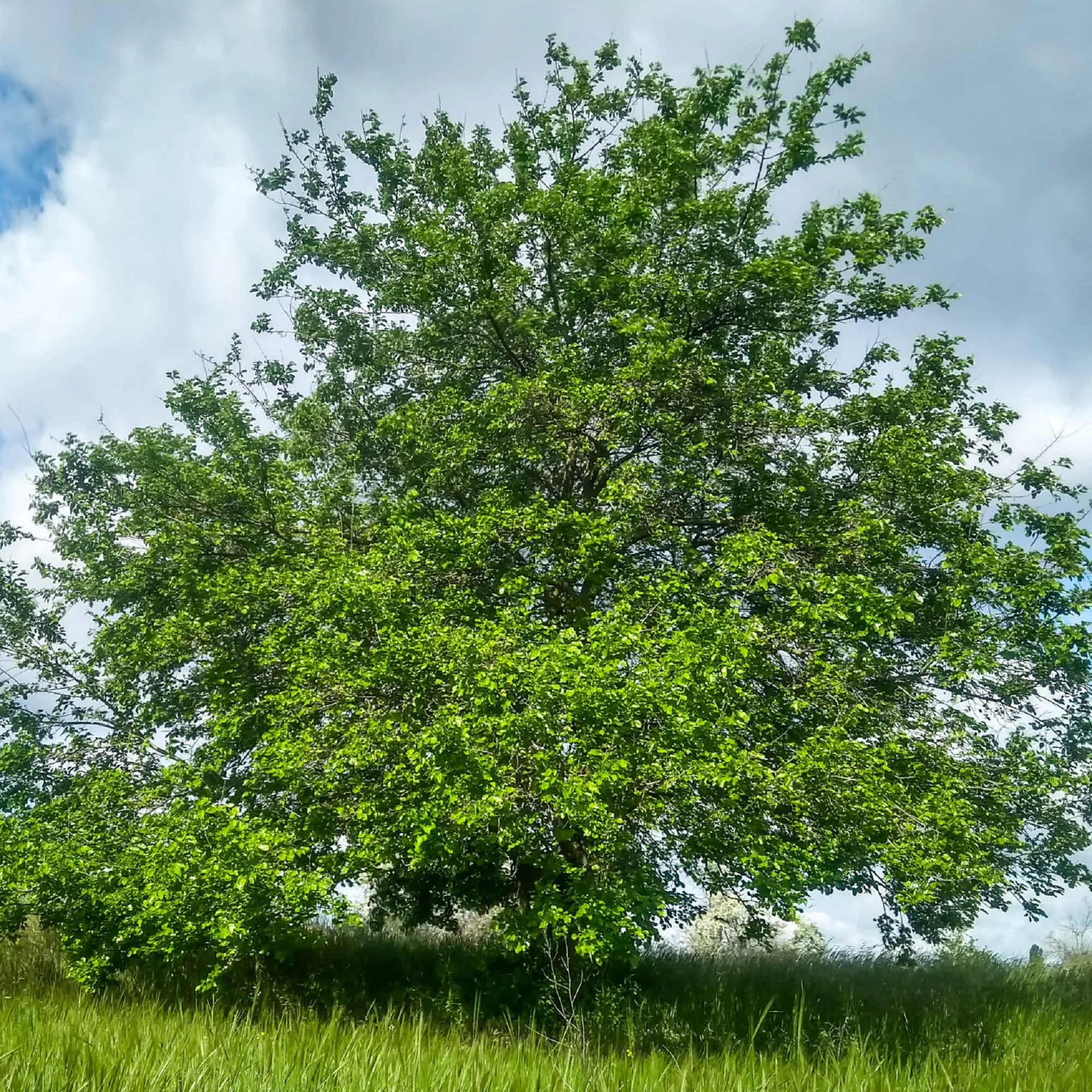
This small, semi-deciduous tropical tree has a rounded, spreading habit with a short trunk and a low, open canopy of slender, irregularly spreading branches. Sugar apple trees typically grow 10 to 25 feet tall and 10 to 15 feet wide, with an annual growth rate of about 1 to 2 feet. With regular pruning, though, it stays compact enough for a backyard or even a large container.
Sugar Apple Growing Conditions: What This Tree Actually Needs
Before you plant, it helps to understand the full picture of sugar apple growing conditions. This tree isn't complicated, but it does have a few non-negotiables.
|
Growing Factor |
Ideal Range |
|
Sunlight |
6-8 hours of direct sun daily |
|
Temperature |
70°F to 95°F |
|
Cold Tolerance |
Damage below 50°F |
|
Soil Type |
Well-draining sandy loam |
|
Humidity |
Moderate to high |
|
USDA Zone |
9b to 11 (container-friendly elsewhere) |
Sugar apple trees require at least 6 to 8 hours of direct sunlight daily for the best fruiting, and they thrive best in temperatures between 70°F and 95°F, becoming susceptible to damage below 50°F. This makes them a great fit for warm regions like Houston and South Texas, especially when paired with a sheltered, sunny planting spot.
Sugar Apple Hardiness Zone: Where It Grows Best Outdoors
If you're checking your sugar apple hardiness zone, this tree is best suited to warm, frost-free areas. Outdoors, it performs reliably in zones 9b through 11. For anyone outside that range, don't worry; container growing is a completely realistic option, which we'll cover further down.
Sugar Apple Cold Tolerance: The One Thing to Watch Closely
Sugar apple cold tolerance is the biggest limiting factor for this tree. Even a light frost can damage leaves and young branches, and a hard freeze can kill the tree entirely. If you live somewhere with occasional cold snaps, plan on either container growing or having frost cloth ready to protect the tree during rare cold nights.
If you're gardening in a region with more unpredictable winters, our guide on tropical fruit trees for Texas heat covers more varieties that handle similar climate challenges well.
Sugar Apple Tree Care: Step-by-Step Basics
Sugar Apple Tree Watering
Getting sugar apple tree watering right is simpler than it sounds. Sugar apple trees need regular watering, especially during dry seasons, and the soil should stay moist but never waterlogged, since excess moisture can lead to root rot.
A simple rule: water deeply, then let the top few inches of soil dry out before watering again. This mimics the natural wet-and-dry rhythm the tree evolved with in tropical climates.
Sugar Apple Tree Fertilizer
For sugar apple tree fertilizer, consistency matters more than intensity. A balanced fertilizer with an N-P-K ratio of 10-10-10 works well for feeding the tree. A fertilizer mix rich in potassium and phosphorus especially encourages flowering and fruiting, so look for that balance once your tree matures past its first year.
Feed young trees more often with a nitrogen-leaning formula to support leafy growth, then shift toward a bloom-boosting formula as the tree matures and starts flowering.
Sugar Apple Tree Pruning
Sugar apple tree pruning keeps the tree healthy and productive. Prune once a year, ideally after the fruiting season ends. Focus on removing dead or crossing branches and opening up the canopy so light and air can reach the center of the tree. Good airflow also helps prevent fungal issues in humid climates.
Sugar Apple Pollination: The Step Competitors Skip
Here's where most guides fall short. They mention pollination briefly and move on. But sugar apple pollination is actually the single biggest reason home growers end up with a healthy tree that barely fruits.
While Annona squamosa has both male and female flowers on the same tree, they are not typically self-pollinating because the male and female parts mature at different times, which makes hand pollination or cross-pollination necessary for good fruit set.
Here's a simple way to hand-pollinate:
- Identify your flowers – male flowers release pollen, while female flowers have a receptive stigma
- Collect pollen in the morning – use a small, soft brush to gather pollen from male flowers when they're actively releasing it
- Transfer to female flowers – gently brush the collected pollen onto the receptive female flowers nearby
- Repeat during bloom season – doing this every few days during flowering greatly improves your fruit set
This one extra step can be the difference between a tree that flowers beautifully but produces little fruit, and one that gives you a full, generous harvest.
Sugar Apple Tree in a Pot: A Smart Option for Colder Regions
If you don't live in a frost-free zone, growing a sugar apple tree in a pot is a fantastic workaround. Containers let you move the tree indoors or into a sheltered spot whenever temperatures drop.
Tips for container growing:
● Choose a large pot with excellent drainage
● Use a light, well-draining potting mix, not heavy garden soil
● Repot every year or two as the roots fill the container
● Bring the tree indoors or into a greenhouse before nighttime temps dip near 50°F
Container-grown sugar apple trees stay smaller and more manageable than their in-ground counterparts, making them a great option for patios or smaller yards.
Sugar Apple Plant Care for Beginners: A Simple Routine
If you're new to growing sugar apple, here's a simple weekly and seasonal rhythm to follow for reliable sugar apple plant care:
● Weekly: Check soil moisture; water deeply if the top few inches feel dry
● Monthly (growing season): Apply balanced fertilizer, watch for pests
● During bloom: Hand-pollinate every few days for better fruit set
● After harvest: Prune to shape the tree and remove dead wood
● Before winter: Prepare frost protection or move containers indoors
Custard Apple Tree Care: How It Compares
People often confuse sugar apple with its close relative, custard apple. While custard apple tree care is very similar overall, custard apple (Annona reticulata) tends to tolerate slightly cooler temperatures and has a smoother-skinned fruit compared to the scaly texture of true sugar apple. If you're deciding between the two, sugar apple is generally the sweeter, more tropical-tasting option, while custard apple offers a bit more cold flexibility.
Frequently Asked Questions
How do you grow a sugar apple tree from a young plant?
Plant in well-draining soil with full sun exposure, water regularly without letting the soil become waterlogged, and fertilize during the growing season to support healthy growth.
What is the ideal climate for growing sugar apple trees?
Sugar apple trees thrive in warm, frost-free climates with temperatures between 70°F and 95°F and moderate to high humidity.
Do sugar apple trees need hand pollination?
Often, yes. Since male and female flower parts mature at different times, hand pollination significantly improves fruit set compared to relying on natural pollinators alone.
Can you grow a sugar apple tree in a pot?
Yes. Container growing works well, especially in cooler climates, since it allows you to move the tree indoors before temperatures drop near freezing.
How often should you water a sugar apple tree?
Water deeply and regularly during the growing season, but always let the top few inches of soil dry out between waterings to avoid root rot.
What fertilizer works best for sugar apple trees?
A balanced 10-10-10 fertilizer works well overall, with a potassium and phosphorus boost recommended during flowering to support better fruit production.
Final Thoughts
Growing sugar apple isn't about having a perfect tropical climate handed to you. With the right care, from proper watering to a little hands-on pollination help, this tree can thrive in warm backyards and even large containers. Once you understand how to grow sugar apple trees the right way, you're just a season or two away from harvesting fruit that tastes like nothing else in your garden.
Ready to start growing? Shop healthy sugar apple plants at MM Nurseries, or reach out through our contact page if you need help choosing the right tropical fruit trees for your climate.